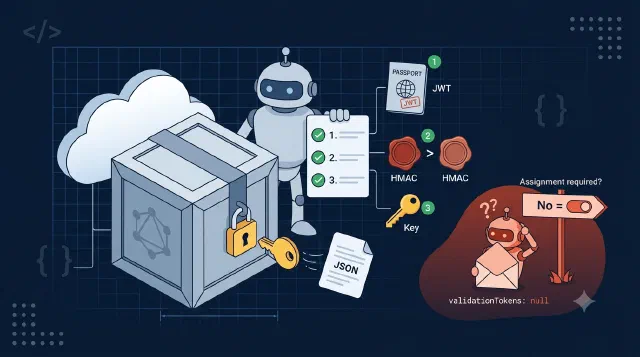
Three Base64 Blobs and a Null Token: Decrypting Graph Rich Notifications
Learn how to validate and decrypt Microsoft Graph rich notification payloads in C#, including the appRoleAssignmentRequired trap that makes validationTokens null.
Change notifications from Microsoft 365: rich notifications that carry their own metadata, validating and decrypting payloads, and debouncing users who cannot stop clicking save.
Change notifications are the right way to react to Microsoft 365 without polling, and they arrive with less information than you would like.
These posts cover the two problems that follow. First, notifications that carry their own metadata, so you can filter before you fetch instead of calling back for every message just to find out whether you cared. Second, actually validating and decrypting a rich notification payload, which involves three base64 blobs and a token that is null more often than the documentation implies.
There is also the human problem. A user who saves six times in ten seconds generates six notifications, and your handler probably should not run six times. Debouncing that turned out to be the more interesting half of the work.
Learn how to validate and decrypt Microsoft Graph rich notification payloads in C#, including the appRoleAssignmentRequired trap that makes validationTokens null.
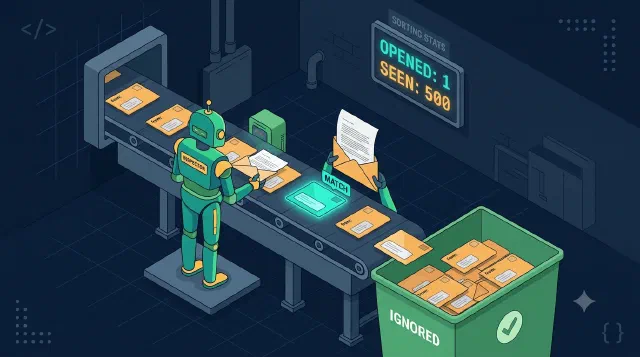
Learn how to use Microsoft Graph rich notifications with $select to decide from the webhook payload whether a mail is worth fetching, without an extra API call.

Learn how to effectively debounce SharePoint webhooks to optimize performance and reduce unnecessary operations when users frequently click save.
No posts match — try another search.